The Silent Engine of Global Trade: How Freight Forwarding and Customs Clearance Power Seamless Supply Chains
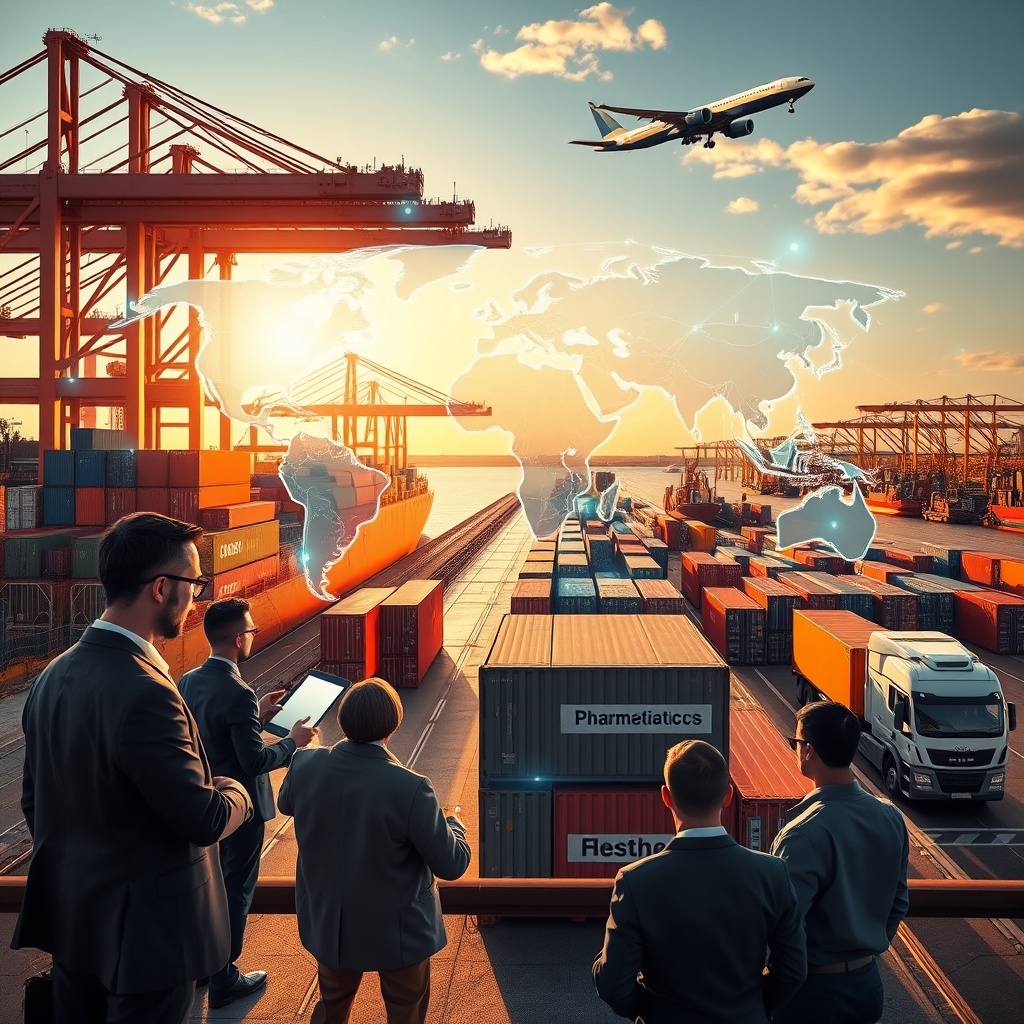
The modern global economy thrives on the invisible yet intricate web of logistics that ensures goods move efficiently across continents. At the heart of this system lies freight forwarding, a critical service that bridges the gap between manufacturers, suppliers, and end consumers. Without it, the smooth flow of international trade would grind to a halt, leaving businesses stranded and consumers facing empty shelves. But what exactly makes freight forwarding so indispensable, and how does it intersect with other key components of logistics management to keep the wheels of commerce turning?
The Role of Freight Forwarding in Global Logistics
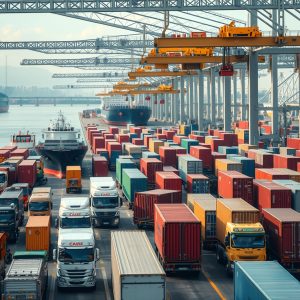
Freight forwarders act as the architects of cargo shipping, orchestrating the movement of goods from origin to destination with precision. They don’t own the transportation assets—ships, planes, or trucks—but instead leverage their expertise to navigate the complexities of maritime transport, air cargo services, and land transportation. Their value lies in their ability to optimize routes, consolidate shipments, and negotiate favorable rates, all while ensuring compliance with ever-changing trade regulations.
For businesses engaged in export-import operations, freight forwarders are more than just intermediaries; they are strategic partners. They handle documentation, coordinate with customs brokers, and provide end-to-end visibility into the supply chain. In an era where delays can cost millions, their role in mitigating risks—whether from geopolitical tensions, natural disasters, or regulatory hurdles—cannot be overstated. The best freight forwarders don’t just move cargo; they anticipate challenges and proactively design solutions to keep goods flowing.
Navigating the Labyrinth of Customs Clearance
One of the most daunting aspects of international trade is customs clearance, a process fraught with bureaucracy, tariffs, and compliance requirements. A single misstep in documentation or classification can result in costly delays, fines, or even seizure of goods. This is where freight forwarders earn their keep, acting as guides through the maze of trade compliance.
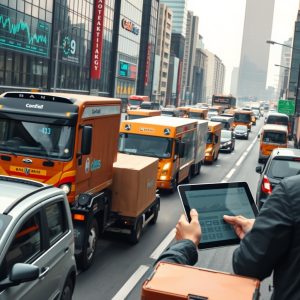
Modern customs clearance is no longer a manual, paper-heavy process. Advances in technology have introduced digital platforms that streamline submissions, automate tariff calculations, and flag potential issues before they escalate. For example, AI-driven trade compliance tools can analyze shipment data in real time, ensuring adherence to regulations like the U.S. Customs and Border Protection’s Automated Commercial Environment (ACE) or the European Union’s Import Control System 2 (ICS2). These innovations not only reduce human error but also accelerate clearance times, allowing businesses to respond swiftly to market demands.
The Synergy Between Freight Forwarding and Supply Chain Solutions
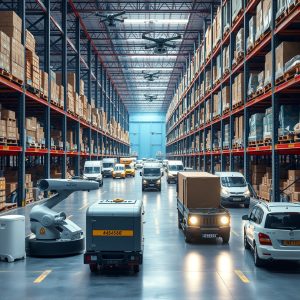
While freight forwarding focuses on the physical movement of goods, its effectiveness is amplified when integrated with broader supply chain solutions. A well-designed distribution network, for instance, ensures that cargo doesn’t just reach the port but is efficiently transported to warehouses, fulfillment centers, and ultimately, the customer. This is where third-party logistics (3PL) providers come into play, offering value-added services like warehouse management, inventory tracking, and last-mile delivery.
Consider the rise of e-commerce logistics, where speed and reliability are non-negotiable. A freight forwarder might handle the ocean or air freight leg of a shipment, but a 3PL partner ensures that the goods are stored, picked, packed, and delivered to the consumer’s doorstep within days—or even hours. This seamless integration is the hallmark of a resilient supply chain, one that can adapt to disruptions while maintaining high service levels.
Cold Chain Logistics: A Specialized Challenge
Not all cargo is created equal. Perishable goods, pharmaceuticals, and certain chemicals require cold chain logistics, a specialized subset of freight forwarding that demands temperature-controlled environments from origin to destination. The stakes are high: a single failure in the cold chain can result in spoiled products, financial losses, and even public health risks.
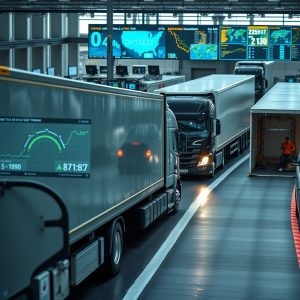
Freight forwarders specializing in cold chain logistics must coordinate refrigerated containers, temperature-monitored warehouses, and expedited customs clearance to ensure compliance with regulations like the Good Distribution Practice (GDP) for pharmaceuticals. The complexity is compounded by the need for real-time tracking, as stakeholders must verify that the cold chain remains unbroken throughout the journey. Innovations like IoT-enabled sensors and blockchain-based traceability are transforming this space, providing unprecedented transparency and accountability.
The Future of Freight Forwarding: Technology and Sustainability
The freight forwarding industry is at a crossroads, shaped by two dominant forces: technological advancement and sustainability. On the tech front, digital freight platforms are democratizing access to shipping services, allowing businesses of all sizes to book, track, and manage shipments with the click of a button. These platforms leverage big data and machine learning to optimize routes, predict demand, and reduce empty backhauls, driving efficiency across the supply chain.
Sustainability, meanwhile, is no longer a buzzword but a business imperative. The logistics sector accounts for nearly 11% of global carbon emissions, prompting freight forwarders to explore greener alternatives. From electric trucks for land transportation to biofuels for maritime transport, the industry is investing in solutions that reduce its environmental footprint. Companies are also adopting carbon offset programs and circular economy principles, such as reusable packaging, to align with global climate goals.
As businesses expand their global reach, the demand for agile, transparent, and sustainable logistics solutions will only grow. Freight forwarding, once a behind-the-scenes operation, is now a strategic enabler of global commerce. By embracing innovation and collaboration, the industry can overcome its challenges and continue to serve as the silent engine that powers the world’s economy. The journey of a product from factory to consumer may be complex, but with the right partners and technologies, it can be as seamless as the click of a button.