The Synchronized Dance: How Collaborative Freight Networks and Tech-Enabled Fleet Monitoring Are Crafting a Seamless Logistics Experience
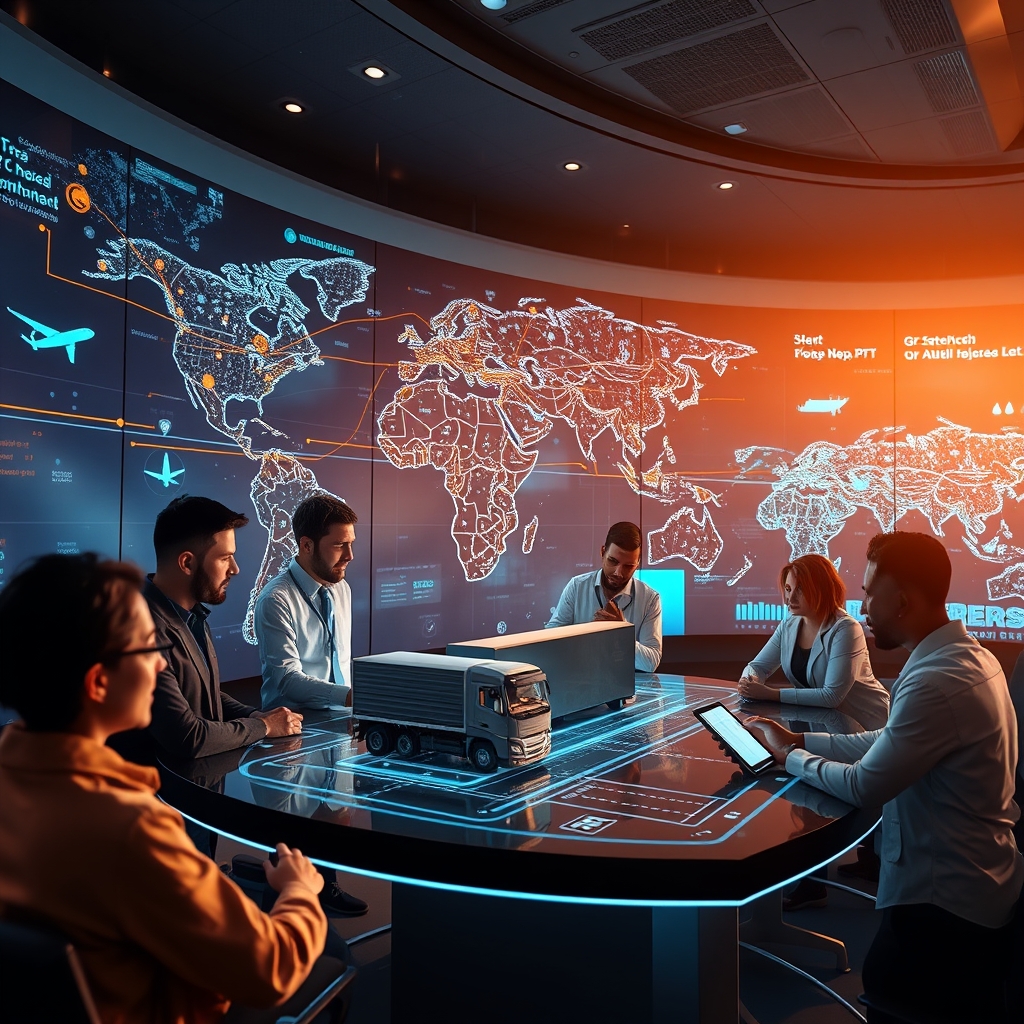
In the fast-paced world of modern logistics, the difference between a delayed shipment and a seamless delivery often hinges on the invisible threads that connect every node of the supply chain. These threads are no longer just physical—roads, warehouses, and trucks—but digital, woven together by real-time data, predictive analytics, and collaborative networks that operate like a well-rehearsed orchestra. The logistics industry is undergoing a transformation where efficiency is no longer measured in hours saved but in the harmony of systems working in unison. At the heart of this evolution lies the fusion of collaborative freight networks and tech-enabled fleet monitoring, two forces that are redefining what it means to move goods from point A to point B.
The Power of Collaboration in Freight Networks
Traditionally, logistics has been a fragmented industry, with shippers, carriers, and third-party providers operating in silos. This fragmentation often led to inefficiencies—empty return trips, underutilized cargo space, and delays caused by miscommunication. However, the rise of collaborative freight networks is changing the game. These networks leverage digital platforms to connect multiple stakeholders, enabling them to share resources, optimize routes, and reduce costs in ways that were previously unimaginable.
Imagine a scenario where a carrier with excess capacity on a route from Chicago to Dallas can instantly connect with a shipper looking to move goods along the same path. Through a collaborative platform, the carrier fills its empty space, the shipper gets a cost-effective solution, and the environment benefits from reduced fuel consumption. This is not a futuristic concept—it’s happening today. Companies like Uber Freight, Convoy, and Flexport are pioneering these networks, turning logistics into a shared economy where every participant benefits from collective intelligence.
Breaking Down Silos with Digital Integration
The key to successful collaboration lies in digital integration. Modern freight networks rely on APIs, IoT devices, and cloud-based platforms to create a seamless flow of information. Shippers can now access real-time data on carrier availability, transit times, and even weather conditions that might impact delivery. This level of transparency not only enhances efficiency but also builds trust among partners. When every stakeholder has access to the same data, decisions are made faster, and disruptions are minimized.
Moreover, collaborative networks are not just about connecting shippers and carriers. They also integrate with warehouses, customs brokers, and last-mile delivery providers, creating a truly end-to-end solution. For example, a shipment moving from a factory in Shanghai to a retail store in New York might pass through multiple hands, but with a collaborative network, every handoff is tracked, documented, and optimized for speed and cost. This level of coordination was once a logistical nightmare, but today, it’s becoming the standard.
The Role of Tech-Enabled Fleet Monitoring
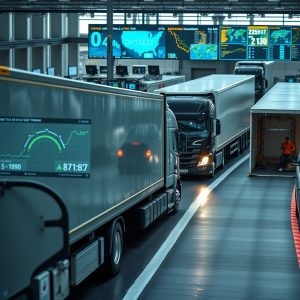
While collaborative networks provide the framework for seamless logistics, tech-enabled fleet monitoring is the engine that powers it. Gone are the days when fleet managers relied on paper logs and radio check-ins to track their vehicles. Today, advanced telematics, GPS tracking, and AI-driven analytics provide a real-time view of every truck, container, and driver on the road. This visibility is not just about knowing where a shipment is—it’s about predicting where it will be, how it will get there, and what challenges it might face along the way.
Real-Time Data for Proactive Decision Making
One of the most significant advantages of tech-enabled fleet monitoring is the ability to make proactive decisions. For instance, if a truck is delayed due to traffic or a mechanical issue, the system can automatically reroute other shipments to avoid bottlenecks. Similarly, if a driver is approaching a rest stop, the system can suggest the most efficient location based on fuel levels, cargo type, and delivery schedules. These small adjustments add up to significant time and cost savings over time.
AI and machine learning take this a step further by analyzing historical data to predict future trends. For example, if a particular route is prone to delays during certain times of the year, the system can recommend alternative paths or adjust delivery windows accordingly. This level of predictive intelligence ensures that logistics operations are not just reactive but adaptive, capable of responding to challenges before they arise.
Enhancing Safety and Sustainability
Beyond efficiency, tech-enabled fleet monitoring also plays a crucial role in safety and sustainability. Telematics systems can monitor driver behavior, such as speeding, harsh braking, or idling, and provide feedback to improve performance. This not only reduces the risk of accidents but also lowers fuel consumption and emissions. Additionally, by optimizing routes and reducing empty miles, fleet monitoring contributes to a more sustainable logistics ecosystem, aligning with the growing demand for sustainable delivery networks.
The Human Element in a Digital World
Despite the advancements in technology, logistics remains a people-driven industry. The most sophisticated algorithms and collaborative networks are only as effective as the humans who use them. This is why the best logistics providers invest in training and empowering their teams to leverage these tools effectively. A fleet manager who understands how to interpret data from a telematics system can make better decisions than one who relies solely on intuition. Similarly, a shipper who actively participates in a collaborative network can unlock opportunities that would otherwise remain hidden.
Moreover, technology should not replace human interaction but enhance it. For example, while AI can predict the best route for a delivery, a human dispatcher can use that information to negotiate with carriers, build relationships, and ensure that every shipment is handled with care. The future of logistics lies in this balance—where technology provides the tools, and humans provide the judgment, creativity, and empathy that no algorithm can replicate.
As the logistics industry continues to evolve, the seamless experience we all strive for will not come from a single innovation but from the synergy of multiple technologies and strategies working together. Collaborative freight networks and tech-enabled fleet monitoring are just two pieces of this complex puzzle, but they are among the most critical. By breaking down silos, enhancing visibility, and empowering people with data, they are crafting a logistics ecosystem that is not just efficient but truly seamless. The journey from warehouse to doorstep is no longer a series of disconnected steps but a synchronized dance, where every movement is precise, every partner is aligned, and every delivery arrives exactly as promised.