The Unsung Heroes of Global Trade: How Customs Clearance and Trade Compliance Drive Seamless Logistics
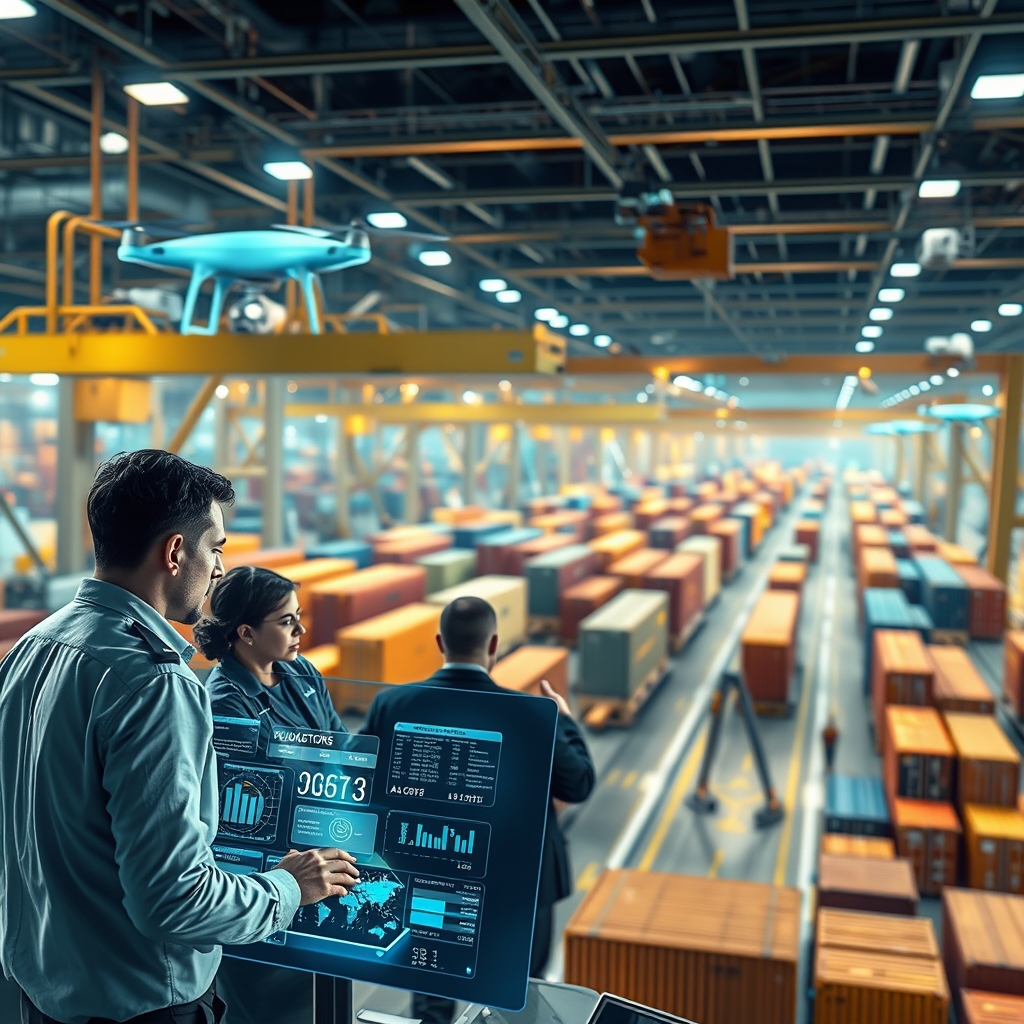
The modern world thrives on the invisible threads of global trade, where goods traverse continents in a matter of days, and businesses operate with the precision of a well-oiled machine. Yet, behind this seamless flow of products lies a complex web of regulations, documentation, and compliance checks that ensure every shipment reaches its destination without delay. At the heart of this system are two critical components: customs clearance and trade compliance. These elements, often overlooked, are the unsung heroes that keep the wheels of international commerce turning smoothly.
The Gatekeepers of Global Commerce
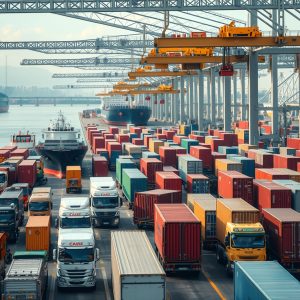
Customs clearance is the process by which goods are authorized to enter or leave a country. It involves a series of checks, verifications, and approvals that ensure shipments comply with local laws, tariffs, and trade agreements. For businesses engaged in international trade, navigating this process can be daunting. Delays at customs can lead to increased costs, disrupted supply chains, and frustrated customers. This is where the expertise of freight forwarders and logistics providers becomes invaluable. They act as intermediaries, leveraging their knowledge of local regulations and relationships with customs authorities to expedite the clearance process.
Trade compliance, on the other hand, is the broader framework that governs how goods move across borders. It encompasses a range of activities, from classifying products under the correct Harmonized System (HS) codes to ensuring adherence to import/export restrictions and sanctions. Non-compliance can result in hefty fines, legal repercussions, or even the seizure of goods. For businesses, staying compliant is not just about avoiding penalties—it’s about maintaining trust with partners, customers, and regulatory bodies. In an era where supply chains are increasingly globalized, trade compliance has become a cornerstone of sustainable and ethical business practices.
The Role of Technology in Streamlining Compliance
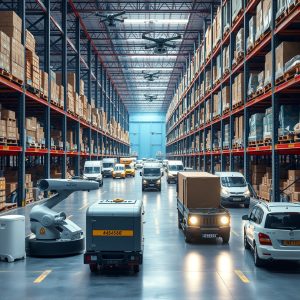
The digital transformation of logistics has brought about significant advancements in how businesses manage customs clearance and trade compliance. Automation tools, artificial intelligence, and blockchain technology are now being used to streamline documentation, reduce errors, and accelerate the clearance process. For instance, AI-powered platforms can analyze vast amounts of trade data to identify patterns, predict potential compliance issues, and suggest corrective actions. Blockchain, with its immutable ledger, provides a transparent and tamper-proof record of transactions, making it easier to verify the authenticity of documents and track the movement of goods.
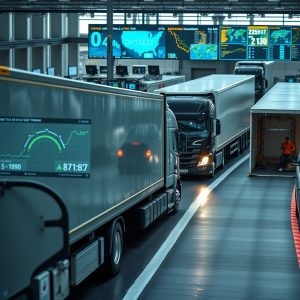
These technological innovations are not just improving efficiency—they are also enhancing transparency. Businesses can now monitor their shipments in real-time, receive alerts about potential compliance risks, and access detailed reports on their trade activities. This level of visibility is particularly crucial for industries with complex supply chains, such as pharmaceuticals, electronics, and perishable goods, where even minor delays can have significant consequences. By leveraging technology, companies can ensure that their logistics operations are not only compliant but also resilient in the face of disruptions.
The Human Element: Why Expertise Still Matters
While technology plays a pivotal role in modernizing customs clearance and trade compliance, the human element remains irreplaceable. The nuances of international trade—such as interpreting ever-changing regulations, negotiating with customs officials, or resolving disputes—require a deep understanding of local laws and cultural contexts. This is where the expertise of logistics professionals comes into play. Freight forwarders, customs brokers, and trade compliance specialists bring years of experience to the table, helping businesses navigate the complexities of global trade with confidence.
For example, a company exporting goods to multiple countries must contend with varying tariff structures, import quotas, and labeling requirements. A seasoned customs broker can help classify products correctly, ensuring that they qualify for preferential trade agreements and avoid unnecessary duties. Similarly, trade compliance experts can conduct audits to identify potential risks, such as restricted substances or incorrect documentation, before they escalate into costly problems. In an environment where regulations are constantly evolving, having access to this expertise can mean the difference between a smooth shipment and a logistical nightmare.
The Future of Customs Clearance and Trade Compliance
As global trade continues to evolve, so too will the challenges of customs clearance and trade compliance. The rise of e-commerce, for instance, has introduced new complexities, such as the need to manage high volumes of small shipments with varying compliance requirements. Similarly, geopolitical tensions and trade wars have led to increased scrutiny of cross-border transactions, making compliance more critical than ever. To stay ahead, businesses must adopt a proactive approach to logistics, investing in both technology and expertise to ensure that their supply chains remain agile and resilient.
One emerging trend is the integration of customs clearance and trade compliance into broader supply chain management strategies. Rather than treating these functions as isolated tasks, companies are now viewing them as integral components of their logistics operations. This holistic approach allows businesses to identify synergies, such as aligning compliance efforts with inventory management or transportation planning, to create a more cohesive and efficient supply chain. Additionally, the growing emphasis on sustainability is driving demand for compliance solutions that address environmental regulations, such as carbon emissions reporting or the trade of hazardous materials.
Building a Culture of Compliance
Ultimately, the key to mastering customs clearance and trade compliance lies in fostering a culture of accountability within an organization. This means going beyond mere adherence to regulations and embedding compliance into the DNA of the business. It involves training employees, implementing robust internal controls, and regularly reviewing processes to ensure they align with best practices. Companies that prioritize compliance not only mitigate risks but also gain a competitive edge, as they are better positioned to capitalize on new trade opportunities and build long-term relationships with global partners.
The world of logistics is often likened to a symphony, where every instrument must play in harmony to create a flawless performance. In this analogy, customs clearance and trade compliance are the conductors, ensuring that every note is played at the right time and in the right key. Without them, the music would falter, and the flow of goods would grind to a halt. As businesses continue to expand their global footprint, the importance of these functions will only grow, making them indispensable to the success of modern supply chains. Their role may be unseen, but their impact is undeniable—quietly powering the engine of global trade, one compliant shipment at a time.