
The Strategic Role of Intermodal Freight in Enhancing Supply Chain Resilience and Efficiency
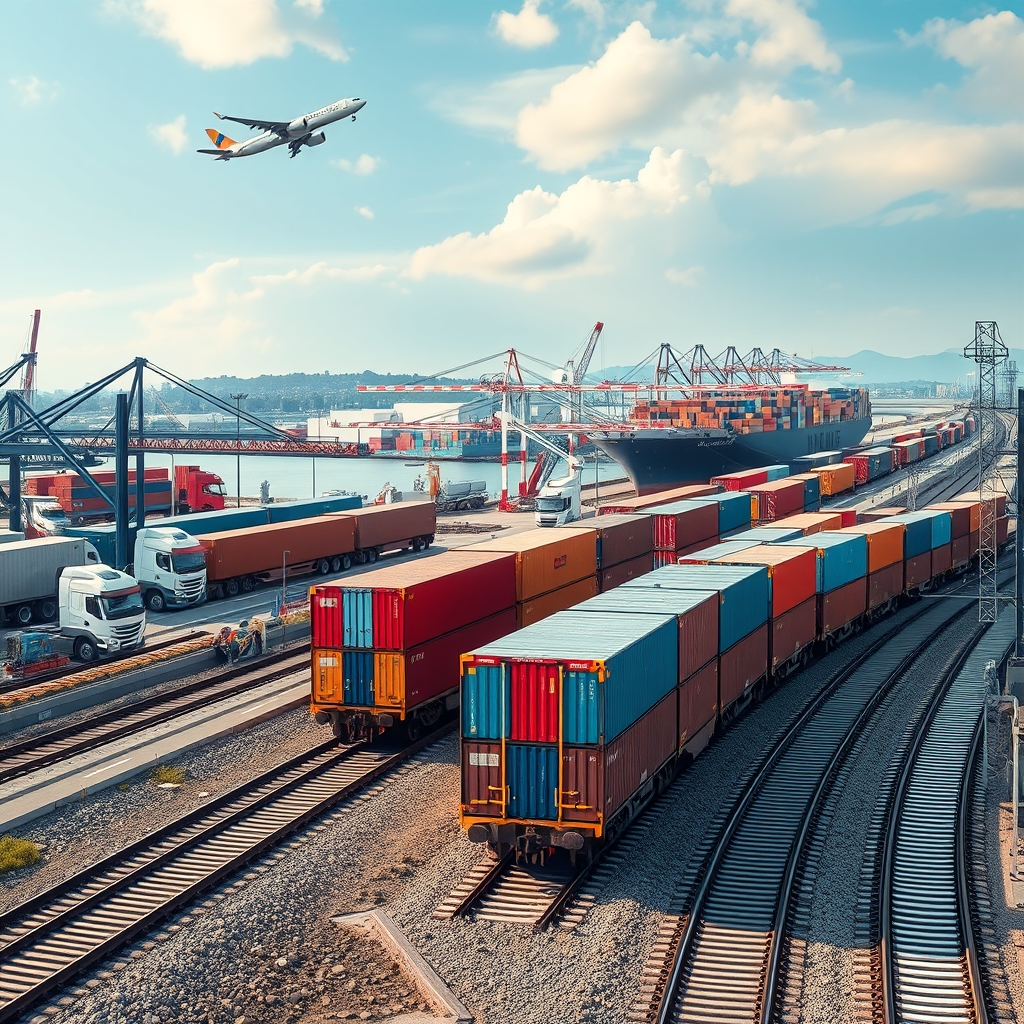
In an era where global trade is both an opportunity and a challenge, businesses are constantly seeking ways to optimize their supply chains. The complexities of moving goods across borders, managing diverse transportation modes, and ensuring timely deliveries have led to the rise of intermodal freight as a cornerstone of modern logistics. By seamlessly integrating multiple transportation methods—such as rail, road, sea, and air—intermodal freight offers a strategic advantage that enhances resilience, reduces costs, and improves overall efficiency in supply chain management.
The Evolution of Intermodal Freight in Global Logistics
Intermodal freight is not a new concept, but its adoption has accelerated in recent years due to advancements in technology, infrastructure, and global trade dynamics. Historically, goods were transported using a single mode of transport, which often led to inefficiencies, higher costs, and increased risk of delays. The shift toward intermodal solutions emerged as businesses recognized the need for flexibility and reliability in their logistics operations. Today, intermodal freight is a critical component of global supply chains, enabling companies to leverage the strengths of each transportation mode while mitigating their individual limitations.
One of the key drivers behind the growth of intermodal freight is the expansion of global trade routes. As businesses source materials and manufacture products in different parts of the world, the need for efficient, cost-effective transportation solutions has become paramount. Intermodal freight allows companies to optimize their shipping routes, reduce transit times, and minimize the environmental impact of their logistics operations. For example, combining rail and road transport for long-haul shipments can significantly reduce fuel consumption and carbon emissions compared to relying solely on trucking.
Enhancing Supply Chain Resilience Through Intermodal Solutions
Supply chain resilience has become a top priority for businesses, particularly in the wake of disruptions caused by geopolitical tensions, natural disasters, and pandemics. Intermodal freight plays a crucial role in building resilience by providing alternative routes and transportation options when primary methods are unavailable or compromised. For instance, if a port is congested or a road is blocked due to unforeseen circumstances, intermodal solutions allow businesses to reroute shipments via rail or air, ensuring continuity in their supply chains.
Moreover, intermodal freight reduces the risk of bottlenecks by distributing the transportation load across multiple modes. This diversification not only enhances reliability but also provides businesses with greater flexibility to adapt to changing market conditions. For example, during peak seasons when demand for certain goods surges, intermodal solutions can help companies avoid delays by leveraging underutilized transportation modes, such as rail or inland waterways, to supplement traditional trucking or maritime shipping.
The Role of Technology in Optimizing Intermodal Freight
The integration of technology has been a game-changer for intermodal freight, enabling real-time tracking, predictive analytics, and automated decision-making. Advanced logistics platforms now allow businesses to monitor shipments across different transportation modes, providing end-to-end visibility and transparency. This level of visibility is critical for identifying potential disruptions early and taking proactive measures to mitigate risks.
Artificial intelligence (AI) and machine learning (ML) are also transforming intermodal freight by optimizing route planning and load distribution. These technologies analyze vast amounts of data, including weather patterns, traffic conditions, and historical transit times, to recommend the most efficient transportation combinations. For example, AI-driven logistics platforms can suggest the optimal mix of rail and trucking for a shipment based on cost, speed, and environmental impact, ensuring that businesses achieve the best possible outcomes.
Cost Efficiency and Sustainability in Intermodal Freight
Cost efficiency is a major advantage of intermodal freight, as it allows businesses to reduce transportation expenses without compromising on service quality. By leveraging the cost-effectiveness of rail and maritime transport for long-haul shipments, companies can significantly lower their logistics costs compared to relying solely on road transport. Additionally, intermodal solutions often result in lower fuel consumption, which not only reduces costs but also aligns with sustainability goals.
Sustainability is an increasingly important consideration for businesses, as consumers and regulators demand greater environmental responsibility. Intermodal freight contributes to sustainability by reducing greenhouse gas emissions and minimizing the carbon footprint of logistics operations. For instance, rail transport is one of the most energy-efficient modes of freight transportation, producing significantly lower emissions per ton-mile compared to trucking. By incorporating rail into their intermodal strategies, businesses can achieve their sustainability targets while maintaining efficient supply chain operations.
The Future of Intermodal Freight in Global Trade
As global trade continues to evolve, intermodal freight will play an even more critical role in shaping the future of logistics. The rise of e-commerce, the expansion of global supply chains, and the increasing focus on sustainability are driving demand for innovative intermodal solutions. Businesses that embrace intermodal freight will be better positioned to navigate the complexities of global trade, reduce costs, and enhance their competitive advantage.
The integration of emerging technologies, such as blockchain and the Internet of Things (IoT), will further enhance the efficiency and transparency of intermodal freight. Blockchain, for example, can provide a secure and immutable record of shipments across different transportation modes, reducing the risk of fraud and improving trust among supply chain partners. IoT devices, on the other hand, can provide real-time data on the condition of goods, such as temperature and humidity, ensuring that perishable items are transported safely and efficiently.
Intermodal freight is not just a logistics strategy; it is a transformative approach that empowers businesses to build resilient, efficient, and sustainable supply chains. By leveraging the strengths of multiple transportation modes and embracing technological advancements, companies can unlock new levels of efficiency and reliability in their logistics operations. As the global trade landscape continues to evolve, intermodal freight will remain a vital tool for businesses seeking to thrive in an increasingly interconnected world, where the ability to adapt and innovate is the key to long-term success.