The Strategic Imperative of Last Mile Delivery Optimization in Modern E-Commerce Logistics
The rapid evolution of e-commerce has transformed consumer expectations, placing unprecedented pressure on logistics providers to deliver faster, cheaper, and more reliable services. At the heart of this transformation lies last mile delivery—the final leg of the supply chain that bridges the gap between distribution centers and the customer’s doorstep. As the most visible and customer-facing aspect of logistics, last mile delivery has become a critical battleground for businesses seeking to differentiate themselves in a crowded marketplace. Yet, it remains one of the most complex and costly components of the supply chain, accounting for up to 53% of total shipping expenses. The challenge is clear: how can companies optimize last mile delivery to meet rising demands while maintaining profitability?
The Cost Conundrum: Balancing Speed and Efficiency
Last mile delivery is inherently expensive due to its labor-intensive nature, unpredictable variables, and the need for rapid turnaround times. Urban congestion, failed delivery attempts, and the growing demand for same-day or next-day delivery further exacerbate these costs. Traditional delivery models, which rely on centralized hubs and large fleets, often struggle to adapt to the dynamic nature of last mile logistics. To address these challenges, companies are turning to innovative solutions such as route optimization algorithms, dynamic rerouting, and predictive analytics. These technologies enable logistics providers to minimize fuel consumption, reduce idle time, and improve delivery success rates, ultimately driving down costs without compromising service quality.
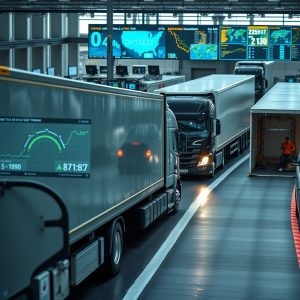
For example, machine learning-powered route optimization tools analyze historical traffic data, weather conditions, and delivery windows to create the most efficient paths for drivers. By dynamically adjusting routes in real-time, these systems can reduce delivery times by up to 20% while cutting fuel costs by 15%. Additionally, the integration of telematics and IoT devices in delivery vehicles provides real-time visibility into driver behavior, vehicle performance, and traffic conditions, allowing companies to make data-driven decisions that enhance efficiency.
The Rise of Alternative Delivery Models
As consumer expectations continue to evolve, so too must the strategies employed by logistics providers. One of the most significant trends in last mile delivery is the shift toward alternative delivery models that prioritize flexibility and convenience. Crowdsourced delivery platforms, for instance, leverage gig economy workers to fulfill orders, reducing the need for dedicated fleets and enabling faster, more scalable delivery options. Companies like Uber, DoorDash, and Instacart have demonstrated the viability of this model, particularly for same-day and on-demand deliveries.
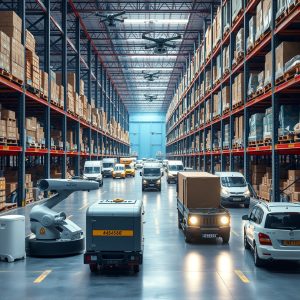
Another emerging trend is the use of micro-fulfillment centers (MFCs) and urban warehouses. By decentralizing inventory and positioning goods closer to end consumers, companies can significantly reduce delivery times and costs. MFCs are particularly effective in densely populated urban areas, where same-day delivery is in high demand. Retail giants like Amazon and Walmart have already adopted this strategy, deploying small-scale warehouses in strategic locations to enable faster order fulfillment and reduce reliance on long-haul transportation.
Autonomous and Electric Vehicles: The Future of Last Mile?
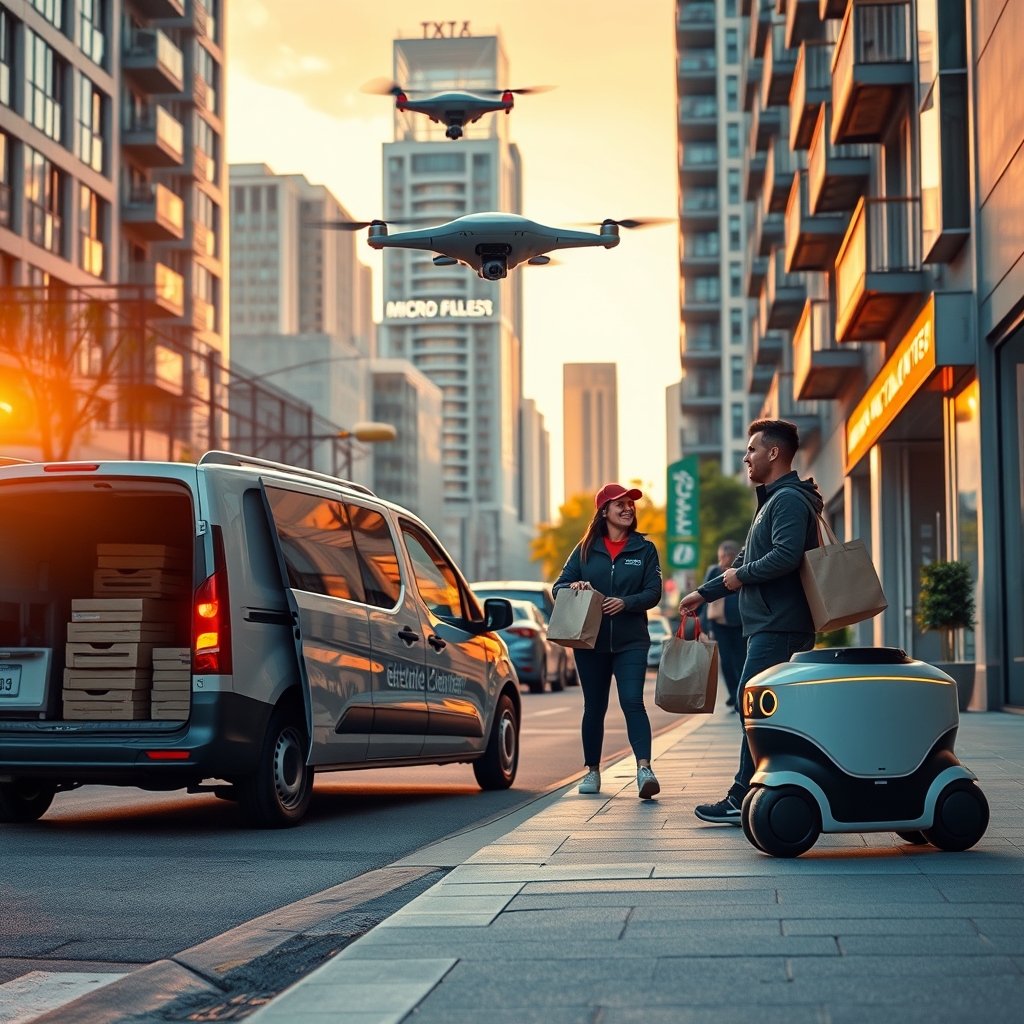
The adoption of autonomous and electric vehicles (EVs) is poised to revolutionize last mile delivery by addressing two of its most pressing challenges: cost and sustainability. Autonomous delivery robots and drones, for example, offer a cost-effective solution for short-distance deliveries in urban and suburban areas. Companies like Starship Technologies and Nuro have already deployed autonomous robots for food and grocery deliveries, demonstrating their potential to reduce labor costs and improve delivery speed.
Electric vehicles, on the other hand, are gaining traction as a sustainable alternative to traditional delivery trucks. With governments around the world imposing stricter emissions regulations, logistics providers are increasingly investing in EV fleets to reduce their carbon footprint. Companies like FedEx and UPS have committed to transitioning their delivery fleets to electric or zero-emission vehicles, recognizing the long-term cost savings and environmental benefits of this shift. Moreover, EVs can operate more efficiently in urban environments, where stop-and-go traffic and idling are common, further enhancing their appeal for last mile delivery.
The Customer Experience Imperative
In the age of e-commerce, the customer experience is paramount, and last mile delivery plays a pivotal role in shaping it. Consumers today expect not only fast and reliable deliveries but also transparency, flexibility, and personalization. Real-time tracking, delivery notifications, and flexible delivery windows are no longer optional—they are essential components of a seamless customer experience. Companies that fail to meet these expectations risk losing customers to competitors who can.
To enhance the customer experience, logistics providers are leveraging advanced technologies such as AI-driven chatbots, predictive analytics, and dynamic delivery scheduling. These tools enable companies to provide personalized delivery options, such as choosing a preferred delivery time or location, and proactively communicate any delays or issues. Additionally, the integration of customer feedback loops allows companies to continuously refine their delivery processes, ensuring they meet evolving consumer demands.
Sustainability as a Competitive Advantage
As environmental concerns take center stage, sustainability has become a key differentiator in last mile delivery. Consumers are increasingly prioritizing eco-friendly brands, and companies that demonstrate a commitment to sustainability can gain a competitive edge. Green logistics initiatives, such as carbon-neutral delivery options, optimized route planning to reduce emissions, and the use of renewable energy sources in warehouses, are becoming standard practices for forward-thinking logistics providers.
For instance, companies like DHL and Maersk have introduced carbon-neutral shipping options, allowing customers to offset the emissions generated by their deliveries. Similarly, the adoption of electric and hydrogen-powered delivery vehicles is helping companies reduce their environmental impact while appealing to environmentally conscious consumers. By integrating sustainability into their last mile strategies, companies can not only reduce costs but also enhance their brand reputation and customer loyalty.
The future of last mile delivery lies in the seamless integration of technology, innovation, and customer-centric strategies. As e-commerce continues to grow, logistics providers must adapt to the evolving demands of consumers while navigating the complexities of cost, efficiency, and sustainability. Those that embrace automation, alternative delivery models, and data-driven decision-making will be best positioned to thrive in this dynamic landscape. The last mile is no longer just a logistical challenge—it is a strategic opportunity to redefine the customer experience and drive long-term business success. By optimizing this critical component of the supply chain, companies can turn the final leg of the journey into a powerful competitive advantage, ensuring they remain at the forefront of the e-commerce revolution.